

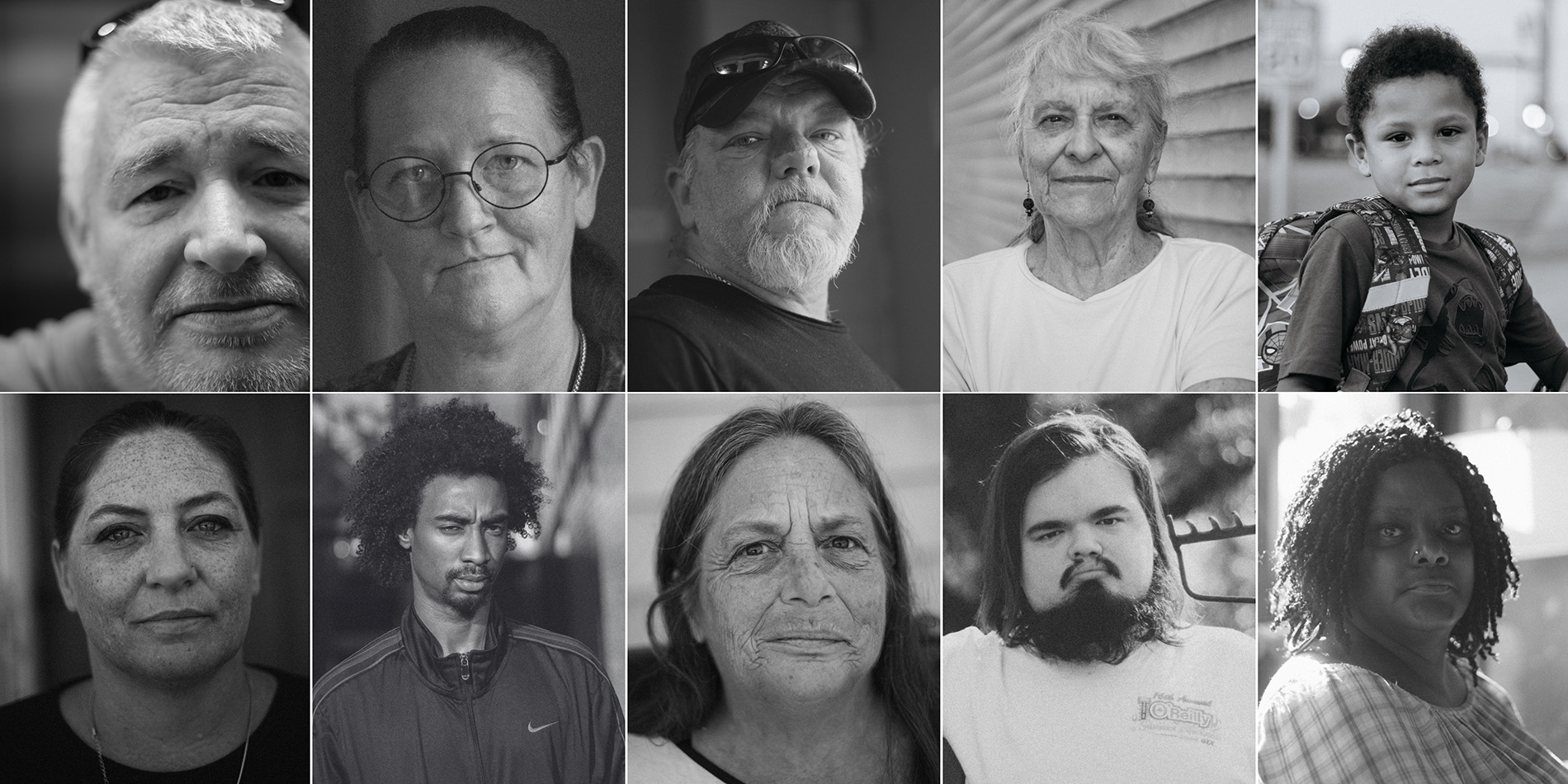

Matthew and Hannah W. are parents of 5 living in Lyons. In 2024, Matthew was laid off, and they had a new baby on the way. Then, in April, their family lost their SNAP benefits because of DCF’s renewal process.

Cheyenne T. and her husband are raising three kids in Hutchinson. When the family moved back to Kansas in 2022, they immediately started receiving SNAP benefits. Four years later, they received notice that they were no longer eligible.
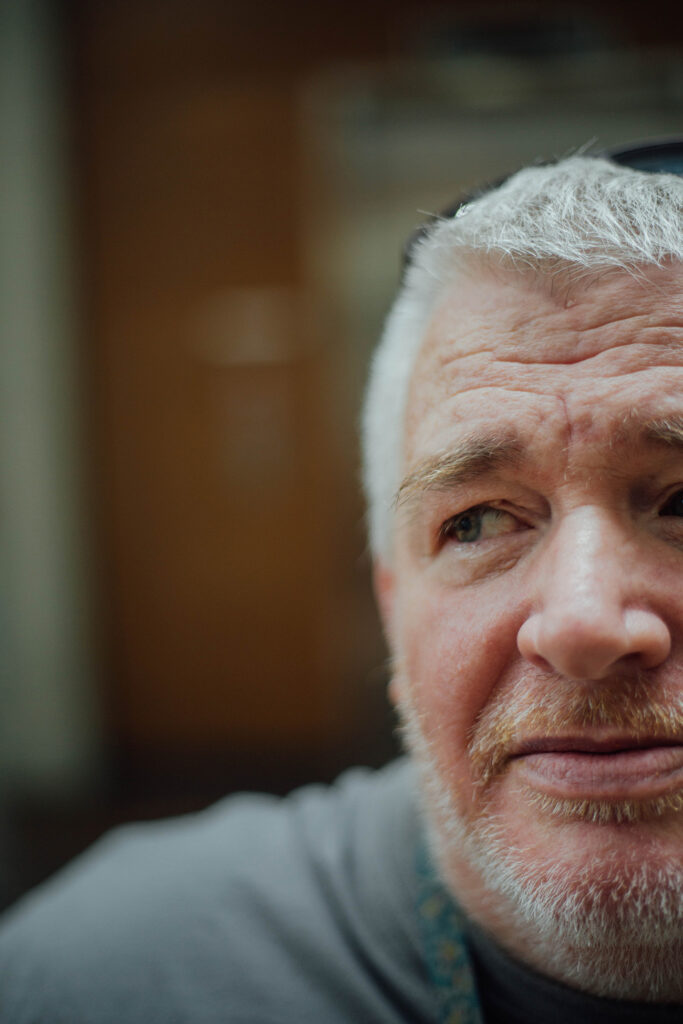
Dale R. is a retired veteran living in Manhattan. He is a father of 10 and his wife’s full-time caretaker. The family qualified for SNAP based on their income but lost their benefits due to work requirements.
Ashley S. is a disabled and single mother of four living on a fixed income in Lawrence. Her family has relied on SNAP for as long as she can remember.
Despite complying with the requirements, their family received notice that benefits would stop at the end of September. Without it, they struggle. “The joy of SNAP for us is really just almost like getting to look at what life would be like if we weren’t in poverty,” said Ashley. “When we don’t have [SNAP], it’s such a big difference because we just can’t afford food without SNAP.”
Additionally, the administrative process takes a heavy emotional and physical toll on her and the family. Sometimes, the recertification requirements force her to stand in line at the DCF office for hours, even with a disability. At times, she’s been turned away before being seen because the system is too backed up. In the past, she’s even lost employment because she had to take time off to wait in line to be seen for her benefits.
Without SNAP, the family has been relying on Harvesters and food pantries. Ashley volunteers there about 20 hours a week, helping distribute food to other families going through the same situation her family is experiencing. She said that she has watched more and more people arrive at the pantries saying that their food benefits have been cut and they don’t know why.
“The bar is real low. We just really feel like [SNAP] is on the verge of collapse.”
“I had my review due in May, and I turned it in on time… I received SUN Bucks and my benefits in May, but I did not receive my benefits for June, July, or August. And then they finally reached out to me at the end of August… They reached out and finally were able to complete my review and get me back on my benefits, but I did not have any benefits for the entire summer.”
– Macayla P. from Topeka
The Flint Hills Breadbasket has served Riley County and the surrounding areas for over 30 years, providing food support directly to individuals and families through its pantry and partners.
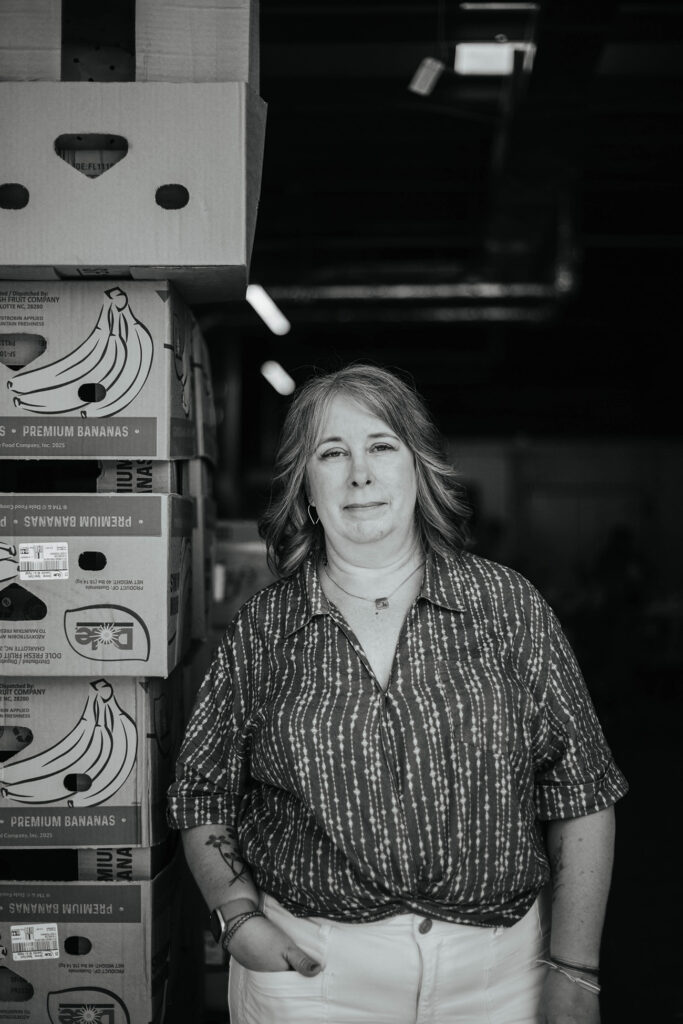
Karla Hagemeister, Executive Director of Flint Hills Bread Basket, has seen more families seeking food assistance. As families lose benefits, the pantry is seeing more people with more urgent needs.
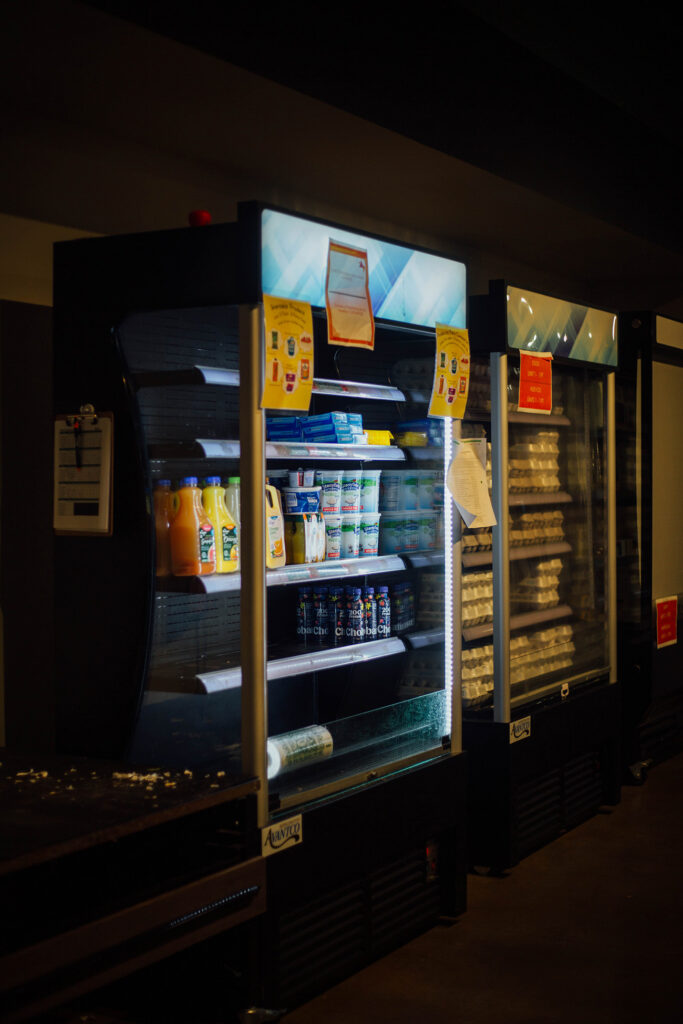
SNAP provides families with purchasing power and choice. When access becomes harder, the pressure doesn’t disappear. Instead, it shifts to families, food pantries, and community organizations.
“My bills are paid because, without it, I would not have enough to pay my bills. I would not have enough to put food on my table, because with what I bring in, everything goes right back out. Between rent, my utilities and everything, it’s just gone in a heartbeat. And like I said, without it, we wouldn’t have food at all.”
– Amanda B. from Garnett
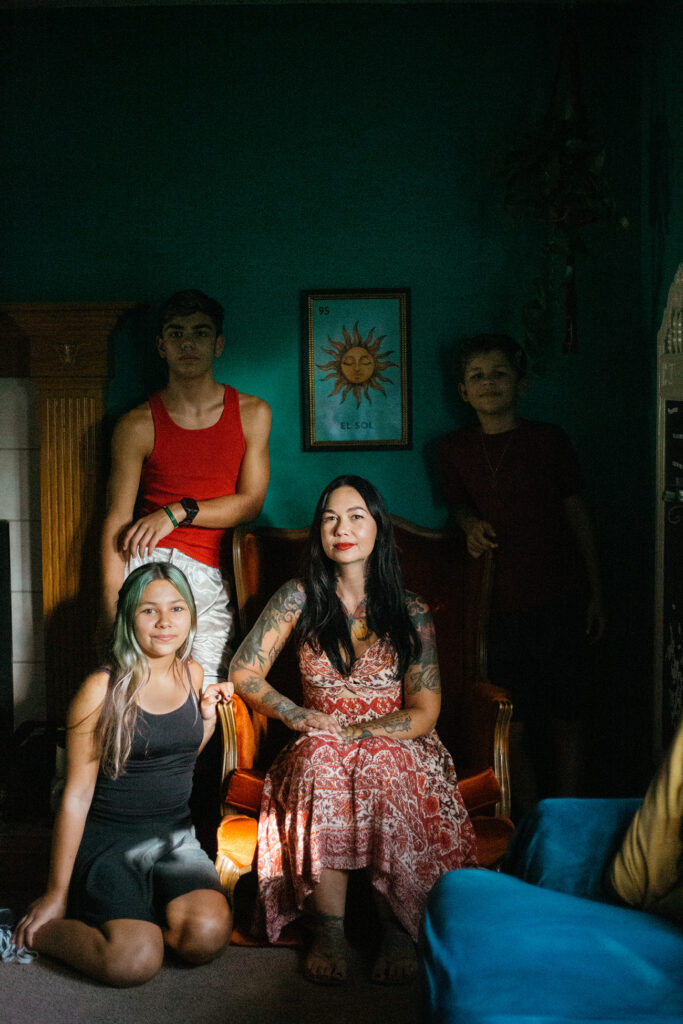
Joe C. is a single mother living in Topeka with her son, Anthony. She works full-time as a caregiver and receives income through the I/DD HCBS Waiver, a specialized Medicaid program that allows her to work full-time and support her son.
When Joe called in September to check on her SNAP benefits, she was told processing was taking a long time because of reporting changes and a short-staffed office. They warned her she might receive a closure letter, even after she checked in. The next day, on September 4, she received the closure letter from DCF, leaving her household without SNAP benefits for the first time in their life.
While her case remained pending, Joe scrambled to collect documentation for items she had never had to provide before to receive benefits. Throughout the process, she had to physically go to DCF. Fixing that problem required transportation that she didn’t have. She worked hard, completed her interview, and she waited. Her case moved from “closed” to “pending”. Despite all of this, her family’s benefits still haven’t been restored.
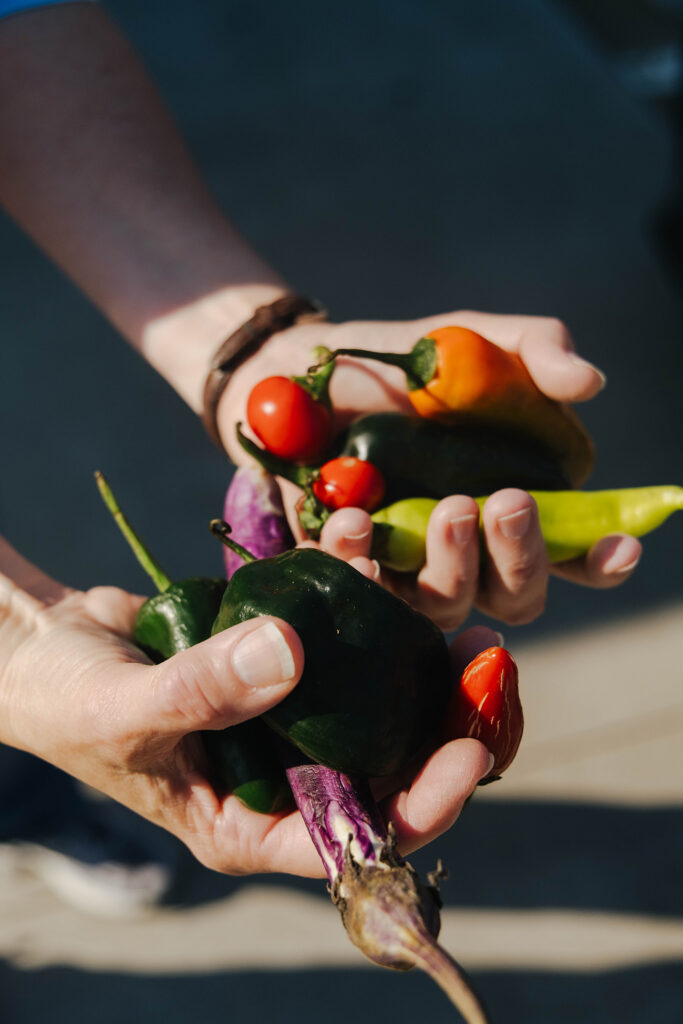
The household is always resourceful, but especially during these times. She gardens, saves seeds, and even grew some potatoes this year from food that was beginning to sprout. When she can get transportation, she goes to Harvesters and picks up food for the household.
After multiple communication attempts and intervention from lawmakers and advocates, Joe’s family finally had their SNAP benefits reinstated at the beginning of November.
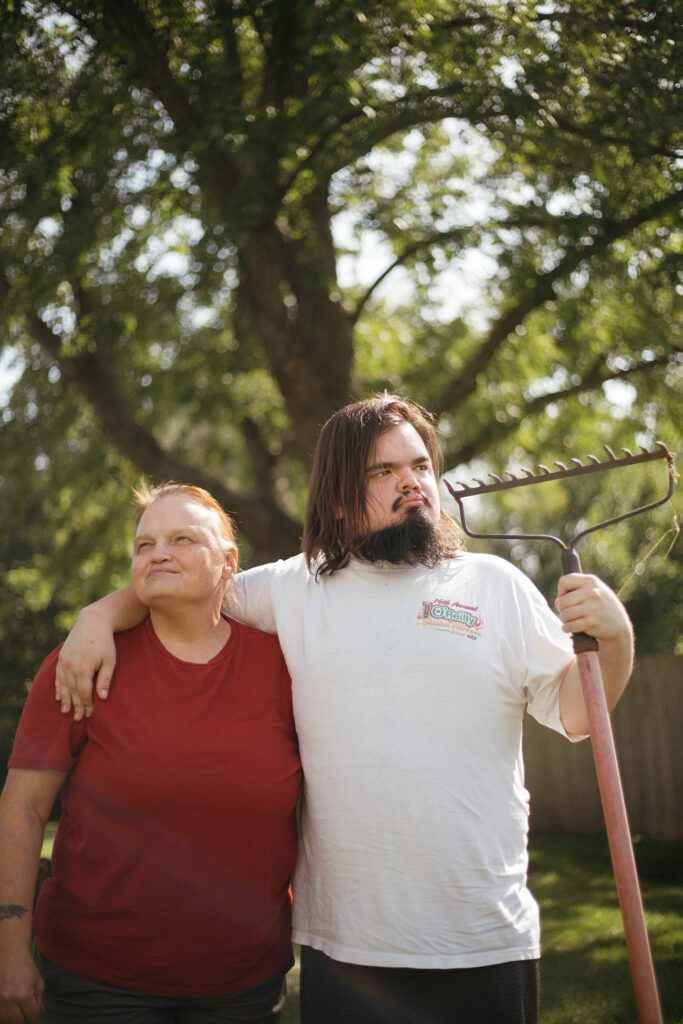

For Margaret, $24 a month in SNAP meant fresh fruits and vegetables she otherwise couldn’t afford. The 75-year-old retiree used Double Up Food Bucks to stretch those dollars further. Then her benefits unexpectedly stopped.
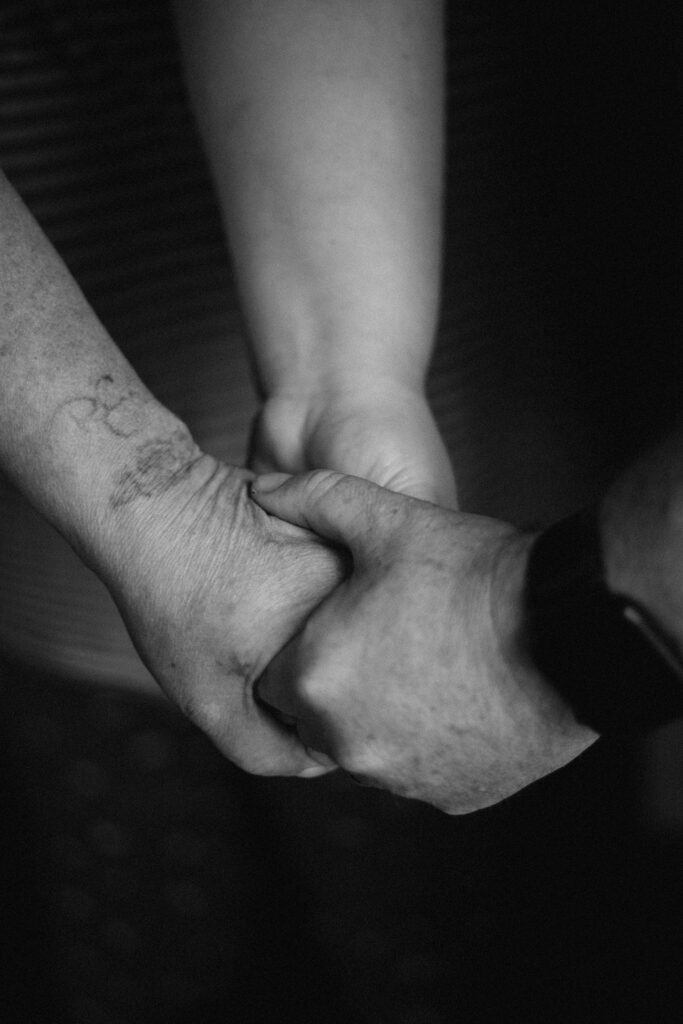
For the last few years, Treava and Danny haven’t been able to buy a cake for their daughter Maya’s birthday. Maya cares for her disabled father while trying to return to school. This year, their family lost SNAP following changes under H.R. 1.
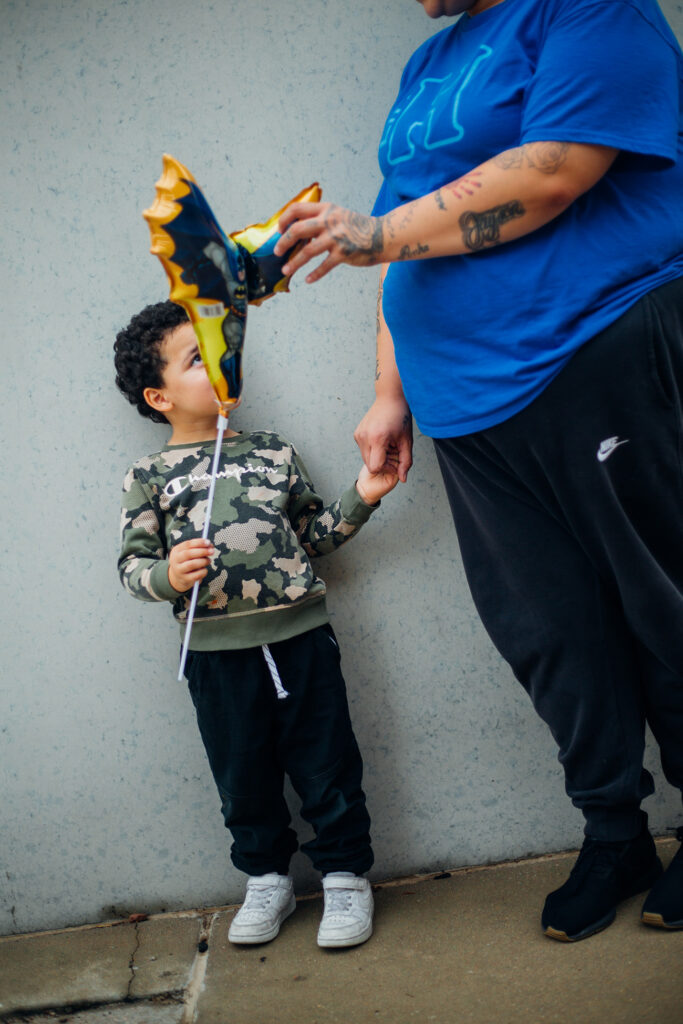
Shannon D. is a student, education assistant, and mother raising two children in Hutchinson. A change in income qualified them for SNAP, but despite submitting extensive documentation, the family was denied benefits.
This work was supported by the Center on Budget and Policy Priorities.
Our partnership with the following helped make these interviews possible. Donations can be made to the following organizations that provide direct service and support to communities across the state.