

THEIR STORY
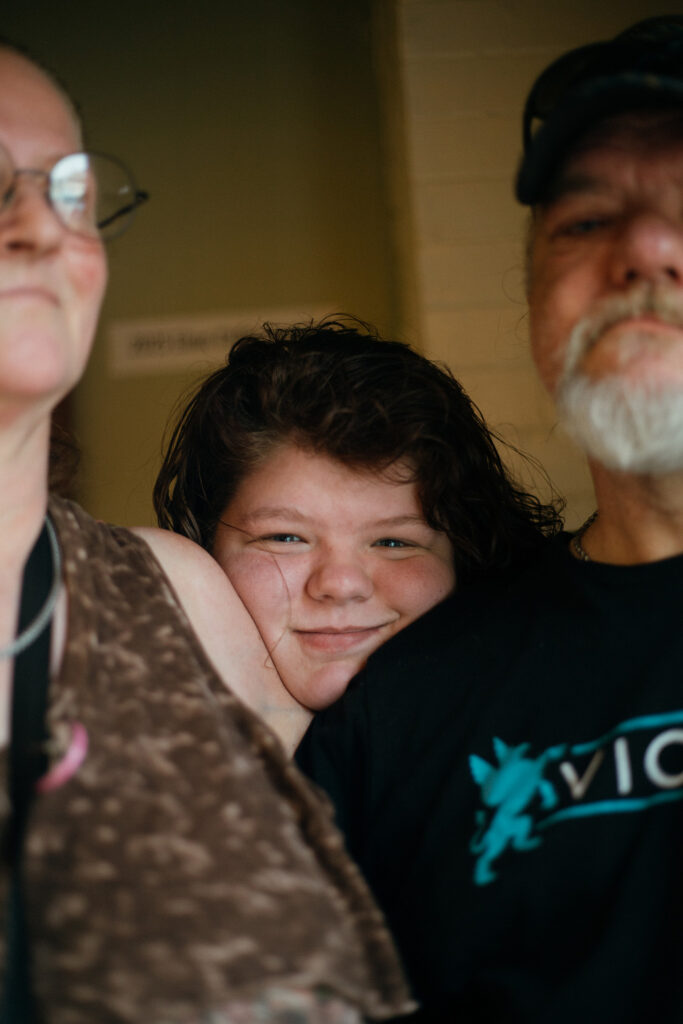
Danny and Treava L. live in Kansas City with their daughter, Maya.
This year, Treava and Maya lost SNAP because new work requirements took effect with H.R. 1. Danny, who receives disability and SSI benefits, will stay on the program.
Maya is trying to go back to school while being her father’s caregiver due to his disability, but she is stuck between two bureaucratic definitions of “work”: the system’s own rules prevent her from working more, but she cannot meet the other requirements to receive SNAP benefits. Under the new work requirements, she must work at least 20 hours a week for SNAP benefits. The state’s caregiving program caps her at 16.5 hours. In addition, Maya’s paid caregiving doesn’t capture the full scope of her work. It’s a full-time job that extends beyond her clocked-in, paid hours.
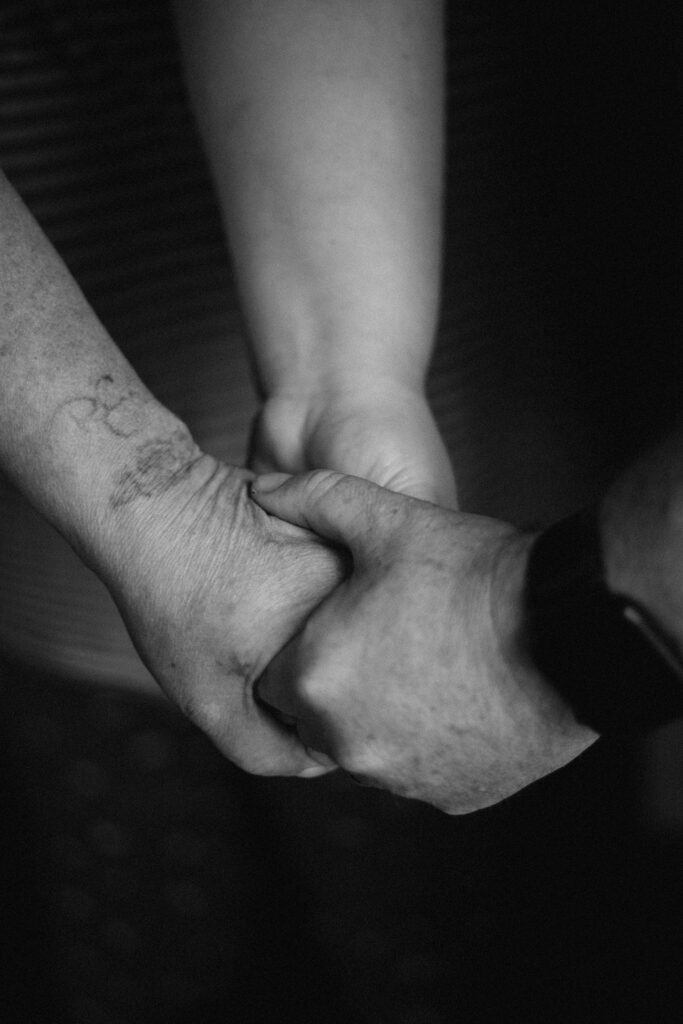
While Maya continues to work, Treava has been desperately trying to find employment. During the interview, the family often held hands, and I asked them about moments that stand out when they think about their food insecurity. Maya and Treava talked about how they haven’t been able to buy Maya a cake for her birthday in the last few years. Danny teared up when speaking about the weight of every time he hasn’t been able to put food on the table.
The problem isn’t that the family isn’t trying. They’re trying to navigate too many systems that don’t work together. The family, totally dependent on each other, still struggles to get by. Losing SNAP forces the family to rely on pantries and food banks, but living near the state border limits their options. A Kansas resident can’t access many Missouri resources because of address limitations, and vice versa.
When asked what he would tell his representatives about improving SNAP, Danny said, “I say they need to cut the red tape and make it to where people can live.”