

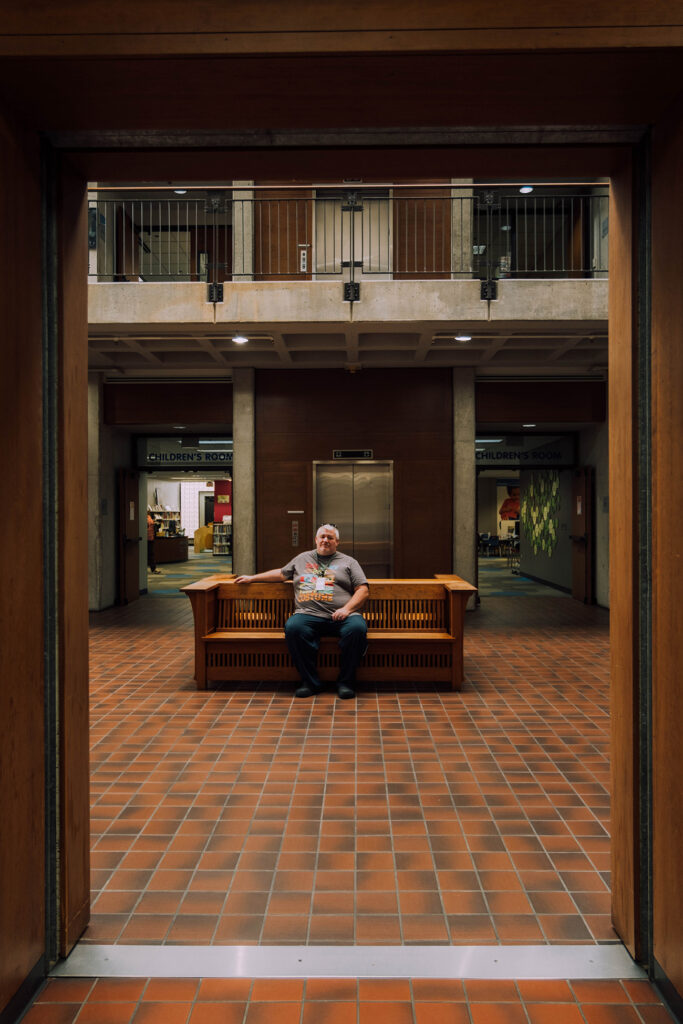
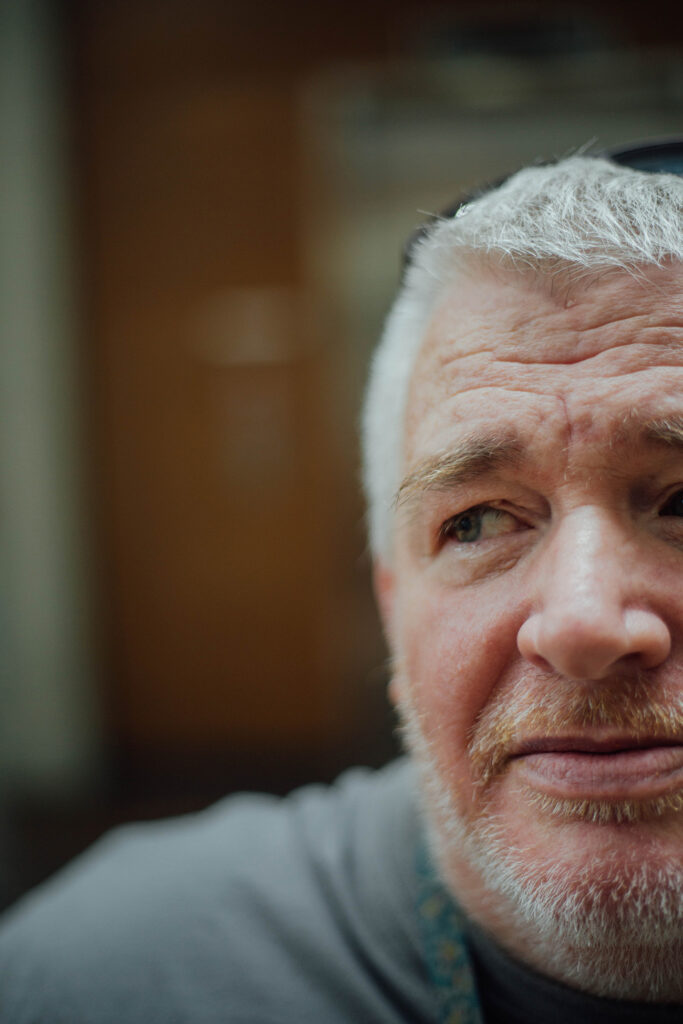
DALE’S STORY
Dale R. lives in Manhattan. He is a father of 10 and a full-time caretaker for his wife, who is blind and requires frequent medical care, both within the household and at the hospital. At the time of the interview, eight family members lived in Dale’s household.
Dale is a veteran who served over 14 years in the Army before medically retiring due to shrapnel injuries, leaving him with PTSD, disabilities, and sleep deprivation since returning home from combat. “I don’t want to ever go to another funeral,” said Dale. “I lost many friends coming home to PTSD and depression.”
The family qualified for SNAP based on their income but lost their benefits due to work requirements outlined in the One Big Beautiful Bill, leaving their household without support. They struggled even before losing their benefits, but since then, they’ve had to make difficult trade-offs. Not only are they forced to choose between inflated prices at the grocery store, rising mortgage costs, and medical expenses, but they’re also making decisions that carry a different kind of emotional weight. “We’ve got birthdays coming up, and nobody has money,” Dale explained. “I wanted to give my daughter a nice dress for her birthday… but I gotta wait for what I need versus what I want. I can’t even spoil her. It’s either you eat, you have medicine, or you have fuel.”
Dale and his family face another issue many other families in Kansas experience: the benefits cliff. Taking another job or volunteering would cut off the income the family receives for Dale’s service to our country. When he looked for other income to support the family, the Veterans Affairs office told him no, or he’d be “completely cut off” from his pension. When income increases, families sometimes lose some or all of their economic support, and when lost benefits outpace a wage increase, many families “park” or fall off the cliff’s edge, stalling progression in their jobs and careers. This cliff effect can create an anchor into poverty, rather than a ladder out of it. They lose more than they gain when their income rises, and their safety net simultaneously weakens or disappears.
When asked what Dale would say to his representatives, he said, “Live in reality. You can’t save a buck on another person’s life or their well-being.”