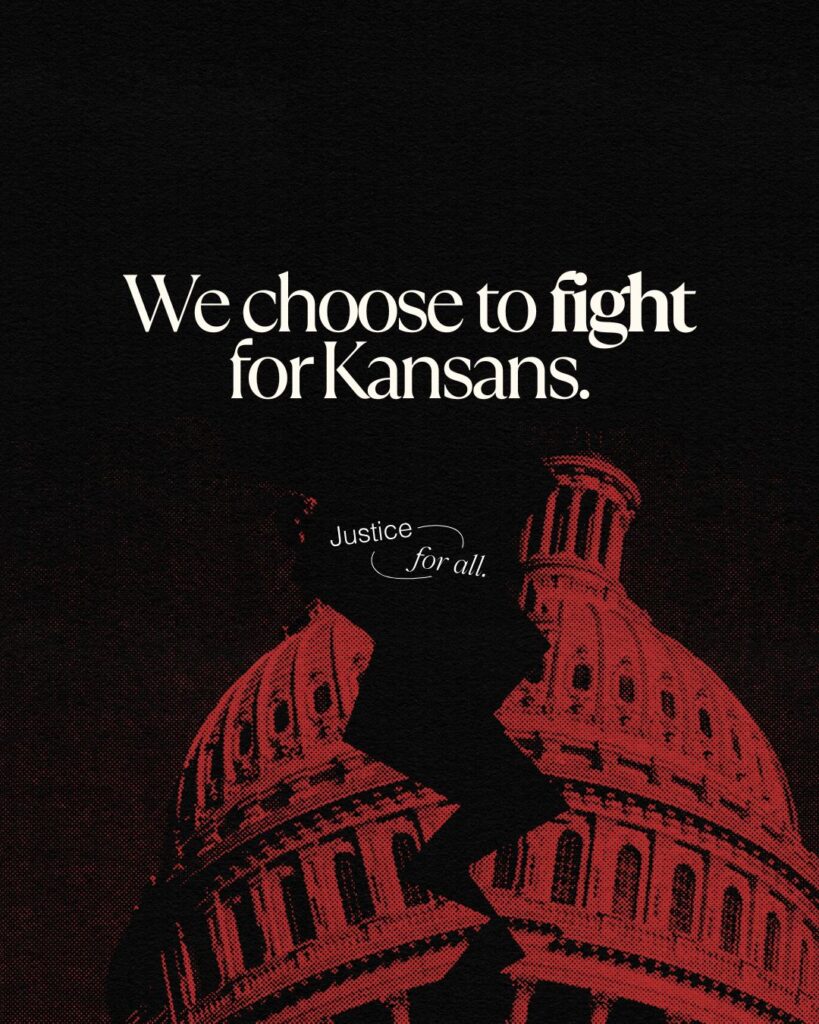
Today, Kansas Appleseed is releasing its newest report, “An Unfinished Story: Kansas Youth Justice Reform 10 Years After Senate Bill 367”. This report traces the evidence-based history of the reforms and their impact, and the current state of SB367.
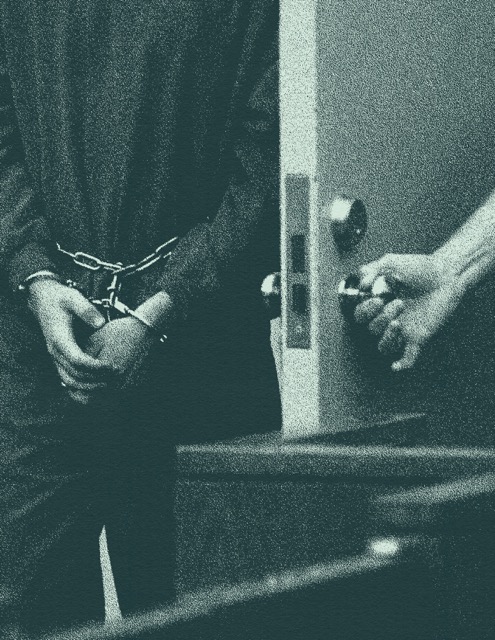
SB 367 was a huge step forward in improving the youth justice system in Kansas by shifting towards community-based alternatives. Prior to the 2016 reforms, Kansas had one of the highest youth detention rates in the country, and youth languished in detention centers under a punitive and ineffective system, creating terrible rates of recidivism and reincarceration. When SB 367 was signed into law, then-Governor Brownback stated, “This legislation aligns our juvenile justice system with what the research shows works best to reduce recidivism, keep families strong, and guide our youth toward a better path.” Since then, there have been numerous attempts to challenge the statute, despite the reforms’ success.
Right now, the Kansas legislature is attempting to further roll back the reforms. HB 2329 seeks to extend detention limits, widen the door to incarcerate more kids who are not high-risk, and bring back group homes that were not only unsuccessful at addressing behaviors and needs, and reducing recidivism, but were actively harmful with issues of abuse and human trafficking.
“There’s always more progress to be made, and certainly there are things we need to focus on improving like prevention, mental and behavioral health supports, substance use treatment, and ensuring the system is working fairly for everyone involved,” said Brenna Visocsky, Campaign Director at Kansas Appleseed. “This means supporting the work that’s been done and continuing to push ahead, protect funding, and grow programming, not returning to the ineffective and harmful practices Kansans know don’t work, because they’ve seen it first hand before SB 367 was put in place.”
Kansas Appleseed is hosting an informational webinar on Thursday, February 12, at 12 PM/CST on this report that explores the history of Kansas’s juvenile justice system, the creation and implementation of SB 367, opportunities to further expand the existing system, and the threats to reforms we have seen historically and currently.
Register for the webinar here. The report can be accessed here.