
The Legislature adjourned Sine Die late Friday night. When we previewed the Veto Session last week, we noted that legislators would take up any unfinished business and attempt to override the governor’s final vetoes. They took the unfinished business part of the Veto Session very seriously, working until the last minutes to pass proposed constitutional amendments and get new bills to Governor Kelly’s desk. Since the Legislature has adjourned, Governor Kelly has wide latitude to veto those new bills without the threat of a veto override. It will be interesting to see how she uses the power of her pen over the next ten days.
Our session ended with real, hard-fought success across our priorities. We’re grateful to our allies for showing up, working with us to pass some really good bills, and fighting back on others. While some bills we opposed will become law, we can take comfort in knowing that we were able to make some bad bills somewhat better.
Bills Signed Into Law That We Support
Increasing Access to School Meals: Sub HB 2402 requires Boards of Education to consider participating in the Community Eligibility Provision (CEP), a federal program that expands consistent access to nutritious school meals. With Kansas almost last in the nation in CEP participation, this law is a meaningful step in the right direction.
Improving Access to Driver’s Licenses: HB 2653 requires the Secretary of Corrections to assist inmates in obtaining identification and employment documents before release, facilitating a smoother transition back into their communities. HB 2467 makes changes to suspended and restricted driver’s licenses to prevent unnecessary suspensions and help Kansans get back to work.
Attorneys in Rural Communities: Sub HB 2595 creates the attorney training program for rural Kansas act, offering stipends to law students who commit to rural practice and student loan forgiveness for qualifying rural attorneys to improve local access to legal counsel.
Supporting Kids in the Foster Care System: HB 2320 allows children in DCF custody to attend school in any district, ensures timely transfer of records, and requires a transportation plan when needed to keep them in their original school – protecting uninterrupted access to education.
Bills We Opposed and Governor Kelly’s Veto Was Overturned
Rolling Back Youth Justice Reforms: HB 2329 expands youth detention by increasing incarceration time and drastically broadening detention time beyond the current standard, which focuses on community safety, while bringing back harmful group home placements and diverting $4.5 million from proven, evidence-based community programs that keep kids at home.
Prioritizing Foster Care Contractors Over Children in Care: HB 2521 grants government protections to private contracted child placement agencies, making it harder for harmed foster youth to seek justice. Although the law sunsets in 2029, protections remain in effect for any harm that occurs while it is in effect.
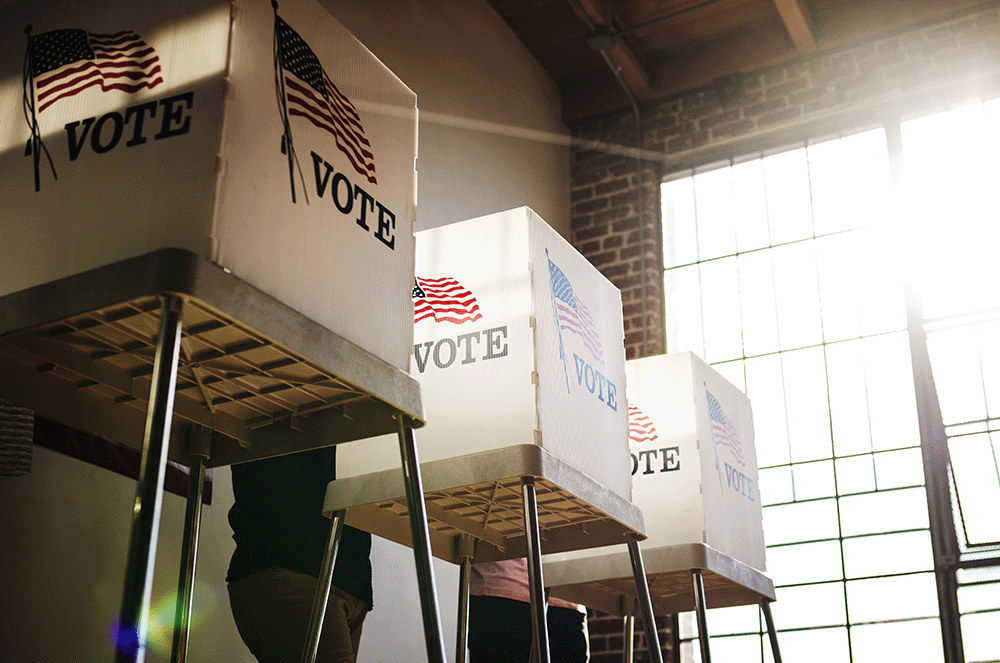
Restricting Voting Access: HB 2437 allows the Secretary of State to remove voters from voter rolls based on unreliable federal databases, increasing the risk of voter disenfranchisement, and limits voter registration websites to .gov domains or state-approved sites.
Adding Barriers to Food Assistance: Sub HB 2731 codifies restrictive elements of the One Big Beautiful Bill Act into Kansas law, including expanded SNAP work requirements and more red tape for food and medical assistance. This new law had an interesting journey during the Veto Session, with significant national pressure on legislators to flip their votes to override the governor’s veto.
Bills Where Veto Was Sustained
Protecting Voting Rights: HB 2569 would have eliminated no-excuse mail-in voting if any judge invalidated the state’s ballot signature verification law and required all constitutional challenges to election laws to be filed in Shawnee County. The legislature did not attempt to override the veto on HB 2569, preventing it from becoming law.
All in all, it was quite a session! While not every advocacy effort succeeded this session, we found success in unlikely places and built new relationships in unexpected places. Read more about this in an opinion piece by my colleague, Haley Kottler.
Thank you for standing with us over the past three months. As we look ahead to the August 4 election and the constitutional amendment ballot question, there is more work to do – and we hope you’ll be a part of it.